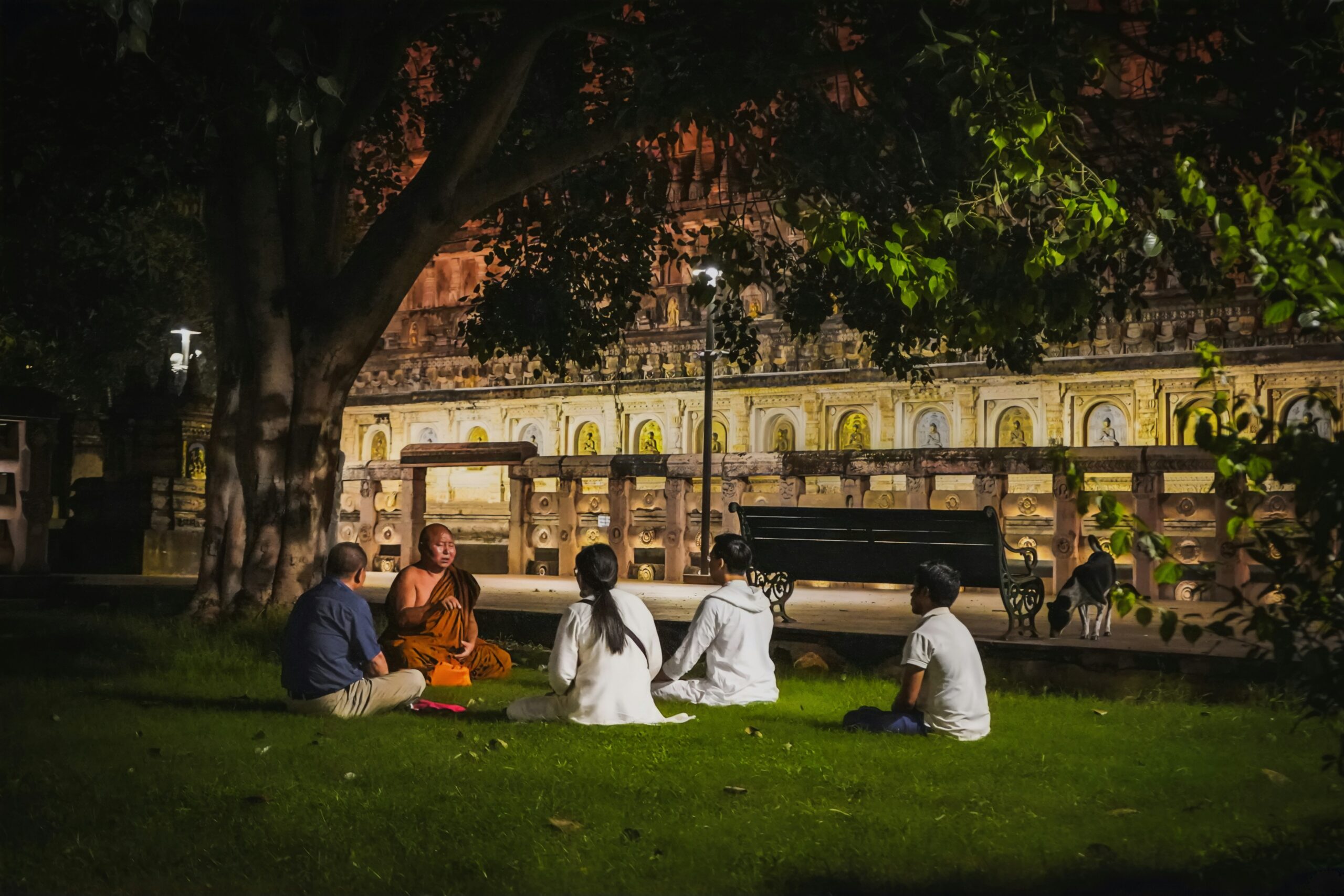
When I first encountered Vipassana, I searched for relief from mental noise. I wanted calm, yet I also longed for understanding. Therefore, I committed to sitting in silence and observing my breath. Although I felt uncertain at first, I sensed that this practice had depth. That intuition guided me forward.
During those early sessions, I faced distraction at every turn. My thoughts replayed conversations and imagined future outcomes. However, the instruction remained simple. I needed to notice the wandering and return to the present moment. Each return strengthened awareness. Gradually, I discovered that presence grows through persistence rather than force.
As months passed, I began to see subtle changes. I reacted less quickly. I listened more carefully. Although challenges remained, I approached them with greater steadiness. The practice started to shape not only my meditation sessions but also my daily life.
Discovering the Discipline of Attention
Vipassana rests on careful observation. I learned to examine sensations in the body and movements in the mind. When tension appeared, I located it precisely. When restlessness surfaced, I studied its rhythm. This discipline sharpened my perception.
At the same time, I realized that attention requires kindness. If I judged myself harshly for distraction, I created more agitation. Instead, I practiced returning to the breath gently. That gentle return built resilience. It also cultivated patience.
Over the years, this discipline became second nature. I no longer viewed mindfulness as a task. Instead, I experienced it as a way of being. Attention moved from effortful practice to steady presence.
Understanding Change as a Constant Teacher
One of the most powerful lessons Vipassana offered involved impermanence. Through steady observation, I watched sensations shift continuously. A strong emotion softened under awareness. A pleasant state faded without warning. Each experience confirmed the same truth. Everything changes.
This realization transformed how I handled difficulty. When disappointment arose, I observed its sensations rather than resisting them. Although the discomfort felt intense, I trusted its temporary nature. That trust reduced fear.
Similarly, joy felt more vivid. Because I understood its fleeting quality, I appreciated it deeply. I did not cling to positive experiences as tightly. Instead, I allowed them to unfold naturally. Acceptance replaced grasping.
Teaching as a Mirror for Growth
When I began teaching Vipassana, I stepped into a new stage of learning. Guiding others required clarity and humility. I needed to embody the practice rather than merely describe it. Therefore, I deepened my own commitment.
Students arrived with varied expectations. Some sought relief from stress. Others searched for spiritual awakening. Regardless of their goals, I returned them to the basics. Observe the breath. Notice sensations. Stay present. Through this simplicity, transformation occurred.
Teaching also revealed my own blind spots. When students struggled, I reflected on my early challenges. Their questions sharpened my understanding. In this way, instruction became reciprocal. I learned alongside those I guided.
Facing Life’s Unavoidable Trials
Forty years bring inevitable change. I encountered loss, aging, and uncertainty. Yet Vipassana offered a stable foundation. Whenever grief or anxiety surfaced, I turned toward direct observation. I felt the tightening in my chest and the weight in my thoughts.
Presence did not erase pain. However, it prevented unnecessary resistance. By clearly observing experience, I avoided adding fear to sorrow. This approach allowed wisdom to guide my responses.
Furthermore, long practice taught me the value of pause. Before reacting in anger or frustration, I paused and breathed. That brief moment shifted outcomes. It protected relationships and preserved clarity.
The Deepening of Compassion
As insight matured, compassion expanded naturally. When I observed my own fear and longing, I recognized the same patterns in others. This recognition softened judgment. I responded with empathy instead of criticism.
Presence revealed shared humanity. Every person I met carried hopes and struggles similar to mine. Because I saw this clearly, kindness became easier. Compassion felt less like a duty and more like a natural response.
In addition, I learned to extend compassion inward. Early in my journey, I demanded flawless concentration. Over time, I embraced imperfection as part of growth. Self-compassion strengthened endurance and balanced discipline.
Living Mindfulness Beyond Meditation
Although formal sitting shaped my mornings, mindfulness extended into daily routines. While walking, I noticed each step touching the ground. While speaking, I listened fully to the other person. These small acts cultivated connection.
Presence improved my relationships. I reacted less defensively and listened more attentively. As a result, conversations became more sincere. Awareness nurtured trust and mutual respect.
Moreover, everyday mindfulness strengthened gratitude. Simple experiences felt rich and meaningful. A quiet sunrise or shared laughter carried depth. Because I remained attentive, life felt fuller.
Continuing the Practice of Awakening
After four decades, I still return to the cushion each day. I do not view the journey as complete. Instead, I see it as ongoing. Each breath invites renewed awareness. Each moment offers fresh insight.
Vipassana has taught me that awakening grows through consistent attention and honest reflection. It does not depend on extraordinary events. Rather, it develops through steady presence in ordinary life.
Living awake requires commitment, patience, and courage. Through years of teaching and practice, I have witnessed how simple awareness transforms the heart and mind. When I settle into this breath, I remember the essential lesson. True presence lives here and now, waiting to be recognized.