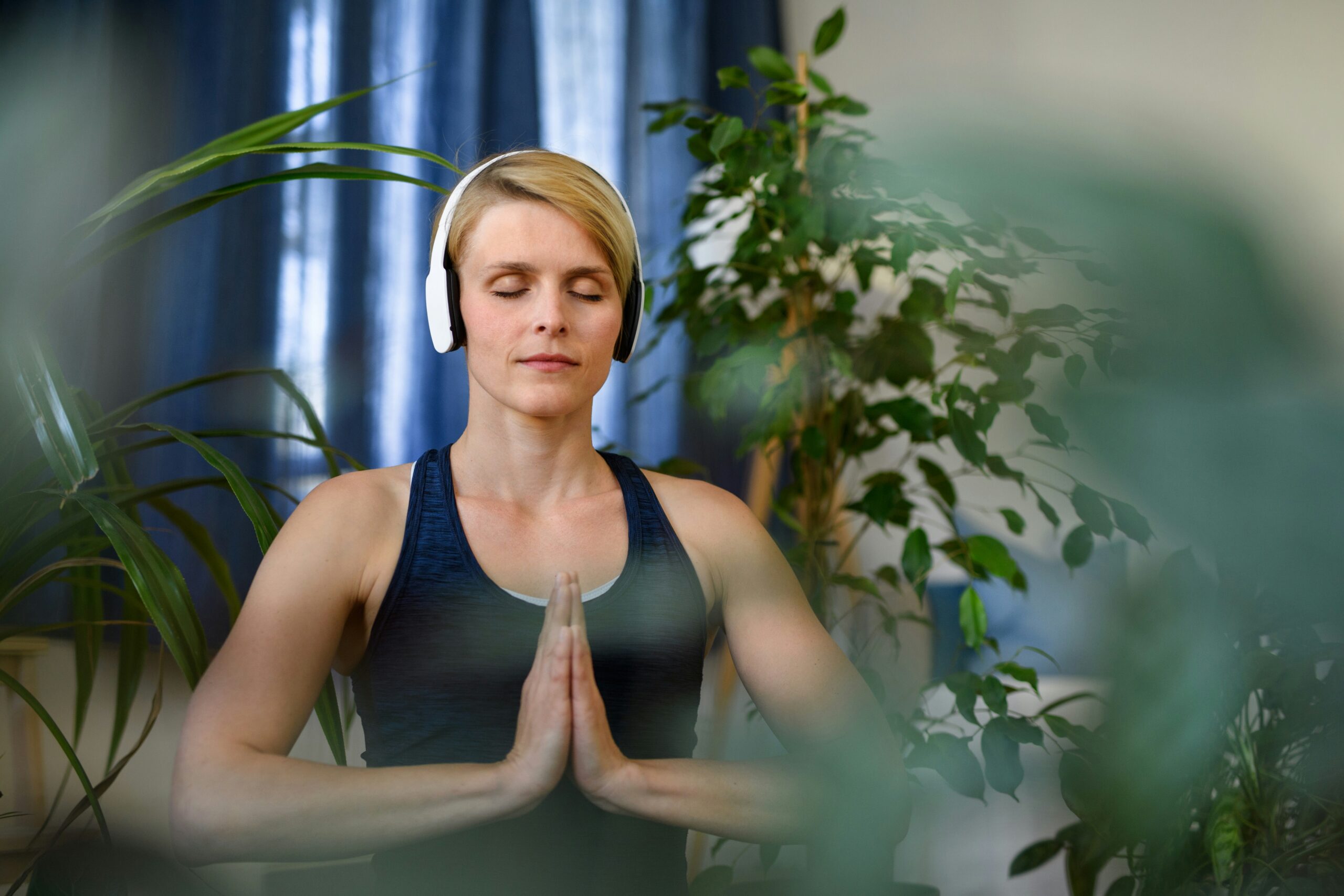
Meditation becomes more powerful when you engage your whole body and mind. Many people try to sit still and expect calm to appear, yet they feel restless and distracted. However, when you use breath, movement, and sound together, you create a natural path to deepen meditation. This approach allows your attention to flow instead of forcing it to stay still.
You do not need complex tools or long sessions to deepen meditation. Instead, simple techniques can help you feel more present and relaxed. When you connect your breath with gentle movement and calming sound, your mind settles faster. As a result, you gain better focus, emotional balance, and a deeper sense of peace.
Why Breath Movement and Sound Help You Deepen Meditation
Meditation works best when your body feels relaxed, and your mind stays focused. First, breath acts as a natural anchor. It keeps your attention steady and helps calm your nervous system. When you focus on your breath, your thoughts slow down, and your awareness becomes clearer.
At the same time, movement releases tension from your body. Many people carry stress in their muscles, which makes it difficult to practice still meditation. Gentle movement helps you relax and prepares you for deeper stillness. Meanwhile, sound provides a rhythm that guides your focus. Together, these elements create a balanced way to deepen meditation.
Preparing Your Mind and Space for Better Meditation
Before you begin, choose a quiet and comfortable place. A peaceful environment helps you stay focused and reduces distractions. You do not need anything special; a clean, simple space supports your practice.
Next, take a moment to center yourself. Close your eyes and notice your breath. Let your body relax without forcing anything. Then, set a simple intention. For example, deepen meditation or feel calm. This intention keeps your practice meaningful and focused.
Starting With Breath Awareness
Begin by focusing only on your breath. Notice how the air moves in and out of your body. Do not try to control it at first. Instead, observe its natural rhythm. This step helps you connect with the present moment.
After a short time, gently deepen your breathing. Inhale slowly and exhale fully. This pattern relaxes your body and quiets your mind. As you continue, you will notice that your thoughts become less distracting. Breath awareness forms the foundation for deep meditation.
Adding Gentle Movement to Your Practice
Once your breath feels steady, begin to add movement. Start with simple actions such as stretching your arms or rolling your shoulders. Move slowly and stay aware of each motion. This helps you stay present and connected.
Then, allow your movements to flow naturally. You can sway gently or shift your weight in a relaxed way. Keep your movements soft and controlled. This step helps release tension and makes it easier to deepen meditation without discomfort.
Connecting Breath and Movement
Now, combine your breath with your movement. Inhale as you expand your body and exhale as you relax. This creates a smooth rhythm that supports your focus. As a result, your mind becomes calmer and more stable.
Over time, your breath will naturally guide your movement. This connection strengthens your awareness and reduces stress. When breath and movement work together, you create a strong foundation for deeper meditation.
Using Sound to Strengthen Focus
After your body feels relaxed, introduce sound into your practice. You can start with simple humming. This creates gentle vibrations that calm your mind and body. As you continue, you will notice a deeper sense of relaxation.
You can also repeat a word or phrase that feels meaningful. This repetition helps you stay focused and prevents your mind from wandering. If you prefer, you can listen to soft music or natural sounds. Sound acts as a guide that helps you deepen meditation more easily.
Blending Breath Movement and Sound Together
When you combine all three elements, your meditation becomes more powerful. For example, you can hum softly while moving and breathing in a steady rhythm. This integration creates a flow that keeps your attention stable.
As you continue, you may notice fewer distractions. Your mind follows the rhythm of your breath, movement, and sound. This state makes it easier to deepen meditation and stay present without effort.
Transitioning Into Stillness for Deeper Meditation
After practicing movement and sound, slowly come to stillness. Sit or lie down in a comfortable position. Let your breath return to its natural rhythm. This step helps you carry the calm energy into deeper meditation.
Now, observe your thoughts without reacting to them. Because your body feels relaxed and your mind feels focused, you can stay present more easily. This stage allows you to deepen meditation naturally.
Deepening Awareness Through Listening
In stillness, shift your focus to listening. Notice the sound you created earlier or the subtle sounds around you. This keeps your mind engaged without effort. As a result, your awareness becomes sharper.
Also, pay attention to the silence between sounds. This quiet space often brings a deeper sense of peace. By balancing sound and silence, you continue to deepen meditation and improve your focus.
Building a Daily Practice to Deepen Meditation
Consistency plays a key role in meditation. When you practice regularly, your mind and body become familiar with the process. Over time, it becomes easier to deepen meditation and stay focused.
Start with short sessions and gradually increase your time. Even a few minutes each day can create lasting results. The important thing is to stay consistent and patient. With regular practice, your meditation will feel more natural.
Overcoming Distractions and Staying Focused
Distractions will happen, especially at the beginning. Instead of fighting them, gently return your focus to your breath, movement, or sound. This process helps you build stronger concentration over time.
You may also feel unsure about your practice. However, there is no perfect way to meditate, and many meditation techniques allow you to explore what works best for you. Focus on what feels natural and comfortable. As you continue, your confidence will grow, and you will deepen meditation more easily.